Sustainable Dining Guide: 25 Days to Green Travel, Day 15

Don’t worry - I’m not going to get all PETA on you and condemn you for torturing baby cows by eating meat. I’ve been an on-again off-again vegan/vegetarian (currently in an on-again phase) for the past 8 years, so I’m obviously not one to talk about permanently committing to being meat and dairy-free.

That said, with the explosion of factory farms, slashed funding for organic agriculture, and overfishing across the world, there are some things you should know about the impact of what you eat - from produce and dairy to seafood and meat - on the environment and your health.

And, as is generally the case with choosing the eco option, it’s not only better for the environment, it’s better for your health, too. For example, choosing organic veggies and hormone-free milk means that pesticides and rBGH won’t end up in you.

Food policies and requirements vary across the world, but a good rule of thumb is the know where your food is coming from. Here’s how I try to do that:

  1. Get produce, meat, and dairy from the farm itself. Site visits are good because you can see the way the animals are treated and build a relationship with the farmers. See if you can stick around a while and help out. CSAs in the US encourage you to.
  2. Get the goods from a farmer’s market where you can talk to the farmer himself. That way you can ask questions - about what’s organic, their farming techniques, or whether or not the eggs are really from free-range hens. (Obviously, it helps to know the language of the farmer here.)
  3. Dine at local restaurants and talk to the workers. The owners are likely to support the local economy and have relationships with the farmers themselves. Most bigger chain restaurants lose that sense of community and responsibility. You can ask the owners questions about where the food comes from. Again, the language barrier can be an issue here; but look at this as an opportunity to practice the new language you’re learning.
  4. Research. Use resources like the Eat Well Guide (US and Canada) to find sustainable food and restaurants wherever you are. In the UK, check our Sustainweb’s Food Calendar.

Produce

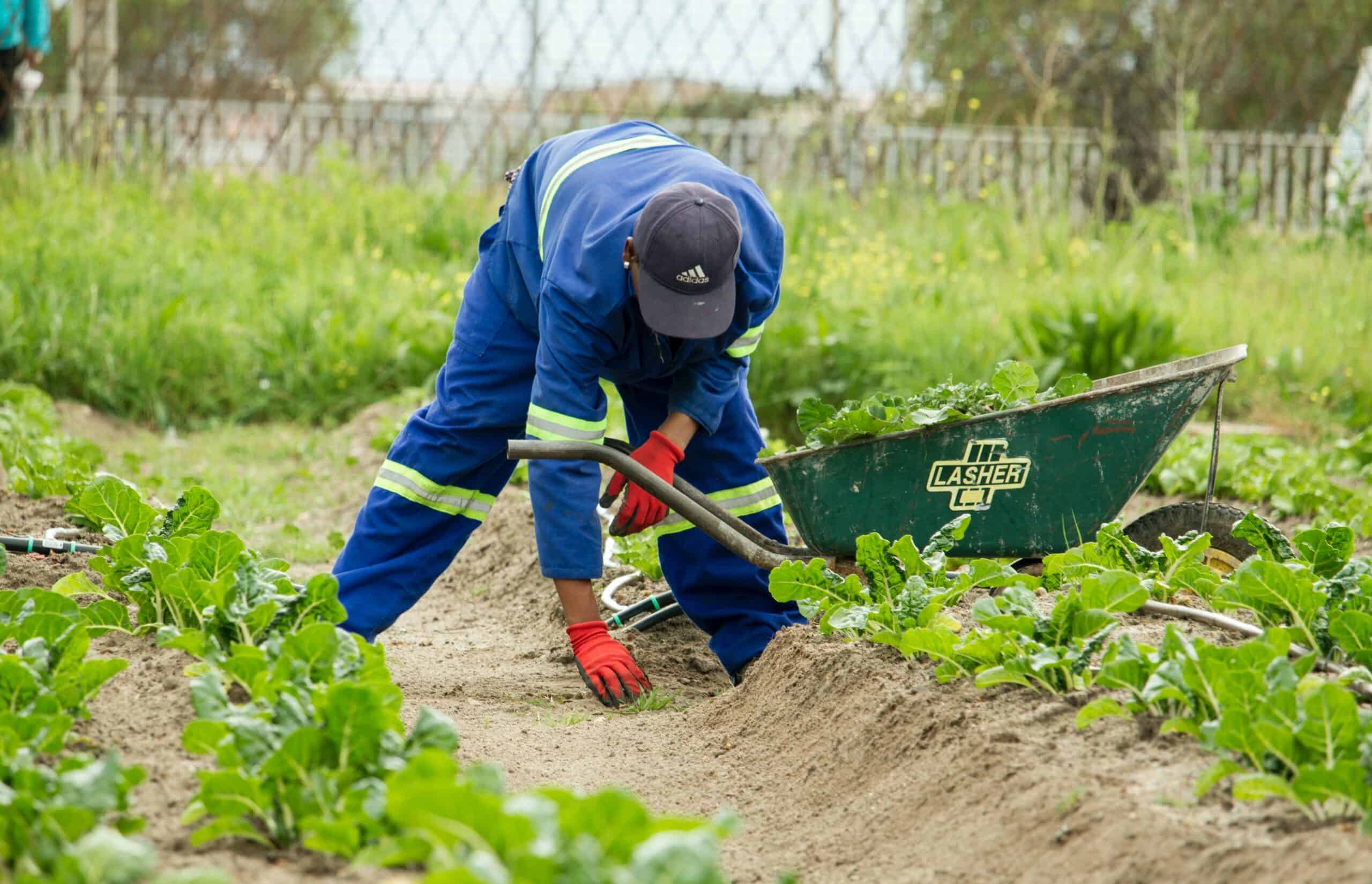
The industrial pesticides sprayed on foods damage the environment and could negatively impact your health. So go organic when possible and when it’s not available, go local. The farther your food has to travel to get to you, the bigger its carbon footprint.

If you’re in the US, use the Natural Resource Defense Council’s Guide to find what’s in season near you, then find out which produce has the highest pesticide concentration with the Shopper’s Guide to Pesticides in Produce.


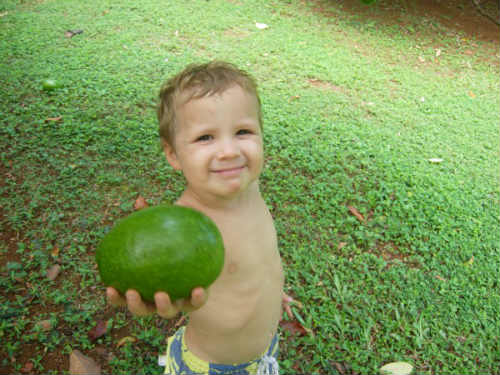
photo credit: Dawn Endico

Dairy

I love love love cheese. It may well be my favorite food. But I do not love hormone and antibiotics in my food. Yuck. Unfortunately, the bovine growth hormone (rBGH) increases cow’s milk production so there’s a big incentive for factory farmers to inject it. The fact that it negatively affects cows (and possibly humans) isn’t really a consideration. The good news is, it’s banned in Canada in the EU - but not the US.

Sustainable Table gives a fabulous, if enraging, background on the issue. Bottom line: if at all possible, find out where your dairy comes from before you dig in.

Poultry and Eggs

There are two main things to think about when ordering chicken or eggs: Animal welfare (were the chickens kept in cages and not allowed to move their entire lives? were their beaks clipped to keep them from pecking at each other in such close quarters?) and organic certification.

Ideally, you want chickens that were allowed to fulfill their chicken destinies by being free range; that is, clucking around outside in the grass every day. And you want chickens that were fed organic grain and not injected with antibiotics to increase production; those things end up in you when you eat them. Green Living Ideas has good background on sustainable poultry.

Seafood

Your seafood choices can contribute to overfishing, habitat damage, and sea animals accidentally being caught, then being tossed back injured or dead.

Check out Monterey Bay Aquarium’s Seafood Guide and Regional Guides to learn with fish are best choices (abundant, well managed and fished or farmed in environmentally friendly ways) and which to avoid (overfished and/or fished or farmed in ways that harm other marine life or the environment).

Also have a look at Environmental Defense Fund’s seafood-related Health Alerts that cover the levels of mercury and PCBs (toxic chemicals that were banned but still pollute water) in various fish and other ocean dwellers.

Meat

Sustainable Table has a great overview of the issues around sustainable meat, including environmental impact, factory farming, and waste.

The Food Alliance, a “nonprofit organization that creates market incentives for sustainable agricultural practices, and educates business leaders and other food system stakeholders on the benefits of sustainable agriculture,” lets you search for certified members by US region.

WWOOFing It

When you’re traveling, especially in a place where you don’t speak the language, it’s not always easy to find sustainable food - or even ask about it. A great resource for travelers is WWOOF (World Wide Opportunities on Organic Farms), which lists organic farm volunteering opportunities across the word. Consider volunteering and even if you can’t, use WWOOF to find organic farms in the country you’re visiting.

Sustainable Dining Guide is the fifteenth post in Go Green Travel Green’s 25 Days to Green Travel series. You can see the complete list of articles in the 25 Days to Green Travel Index. If you haven’t already, subscribe to our feed (also available via email) and stay up to date.

5 Responses to “ Sustainable Dining Guide: 25 Days to Green Travel, Day 15 ”

  1. I recently posted on WWOOF as well. I had a friend who participated in the program in South America a while back and has spoken so highly of it. I loved your advice on visiting one of their fairs simply for finding good organic food. I hadn’t thought of that. I definitely have considered volunteering, but getting food from them helps as well. Not to mention gives you a great source of healthy/sustainable food. Great posts. Look forward to the next 10.

  2. [...] presents (1) Sustainable Dining Guide: 25 Days to Green Travel, Day 15, (2) 11 Tips and Tricks for Greening your Hotel, (3) Stay: 25 Days to Green Travel, Day 16, (4) How [...]

  3. [...] of the Future posted at The Green Motorist. Traveling this month? Well, Kimberly tells us about Sustainable Dining Guide: 25 Days to Green Travel, Day 15 at Go Green Travel Green and Penny Nickel gives us 15 tips for a frugal, relaxing, earth-friendly [...]

  4. So happy to see that you mentioned the Eat Well Guide! I’m a volunteer with them and think their website is a terrific resource for finding local, sustainable foods wherever you go! Thought you’d be interested to know that Eat Well has teamed up with the Consumers Union, nonprofit publisher of Consumer Reports, to issue a Local, Organic Thanksgiving Challenge.We’re inviting people to take a spin on the Eat Well Guide to find local food (or pull a steak from your freezer!!) and prepare at least one local (preferably organic) dish for Thanksgiving, and share recipes at the CU site. Read more about it at the Green Fork. [http://blog.eatwellguide.org/2008/11/take-the-local-organic-thanksgiving-challenge/]

  5. [...] of the Future posted at The Green Motorist. Traveling this month? Well, Kimberly tells us about Sustainable Dining Guide: 25 Days to Green Travel, Day 15 at Go Green Travel Green and Penny Nickel gives us 15 tips for a frugal, relaxing, earth-friendly [...]

Leave a Reply

You can use these XHTML tags: <a href="" title=""> <abbr title=""> <acronym title=""> <blockquote cite=""> <code> <em> <strong>